Quick Facts about México City for Digital Nomads
Jump to report ⤵| Trip Date | November 2024 | Country | México |
| Currency | MXN | Primary Language | Spanish |
| Population | 9.2mill | Airline & Closest Airport | Various (MEX) |
| Average Download Speed | 82mbps | Plug Type | Type A / B (USA/Mex) |
| Budget | |||
|---|---|---|---|
| Accommodation | Upscale hostel: £100-£400/wk | Cafe Latte | £1.50 – £2.50 |
| Signature Dish | Tacos Al Pastor: £0.50ea | eSIM | eSIMGo North America 10GB – £15 |
| Coworking | Publico from £150/mo | Cycle Hire | Ecobici Bicycles: £15/week |
| Taxis | Uber/Didi: Average cost | Tipping | Very common, 10+% |
Introduction
Welcome To The City of Palaces
Oh it’s good to be back in LATAM. I’m starting my LATAM journey here in México City (‘CDMX’) where I’m spending about two weeks before heading east across the country and then south through Central and South America. I’m aiming to spend about 6 weeks in México in total, but I am admittedly making it up as I go along, trying to balance exploring with language‑learning and building a business as I go.
Now, before we dive in, note that México City is utterly huge, so much so that it is sometimes colloquially referred to as El Monstruo (the monster); it’s 1,500km2 with almost 10 million inhabitants.
The nice thing about CDMX that I came to appreciate was that the city is divided into 16 alcaldías (think of them as boroughs), all with their own unique charms and further divided into colonias (or neighbourhoods) that each bring something new to the table. I’ll delve a bit more into them in the neighbourhoods section below.
Table of Contents
- Quick Facts about México City for Digital Nomads
- Introduction
- Where to work
- Does Mexico have a Digital Nomad Visa?
- Best Neighbourhoods in Mexico City
- Is Mexico City Dangerous?
- Is The Food In Mexico City Really Up To The Hype?
- Things To Do in Mexico City
- When to Visit Mexico City
- 🏃♂️ Staying active
- Positives
- Negatives
- Top Tips
Where to work
Honestly, this city is absolutely massive, so I’m going to focus on the alcaldía that I spent most of my time in, Benito Juárez.
Now, most nomads, tourists and expats will spend their time in Cuauhtémoc, where you’ll find the upmarket colonias Condesa, Roma Norte and Roma Sud. But being honest, for the same reason I won’t visit Bali, I decided to avoid basing myself there and try something a bit more authentic.
WeWork is alive and well in LATAM, with 14 locations alone in CDMX and I’d bet there are well over 100 coworking options in the city.
Focusing purely on my neighbourhood, your options are: Workshop (which I found a bit small and with questionable wi‑fi), WeWork Insurgentes with day passes from £20/day, Spacioss for £11/day, and Inhouse Insurgentes (which is dog friendly!).
Does Mexico have a Digital Nomad Visa?
México is super‑pro remote work and you can work remotely if you’re “visa‑free” and most of the time you’ll be granted a six‑month stay. In addition, México offers a temporary resident visa which can grant you one year temporary residency, extendable up to three years, which can then be converted to PR. You’ll need to demonstrate a minimum remote salary of £3,500 for the prior six months or a bank balance of £60,000 for the prior twelve months.
Best Neighbourhoods in Mexico City
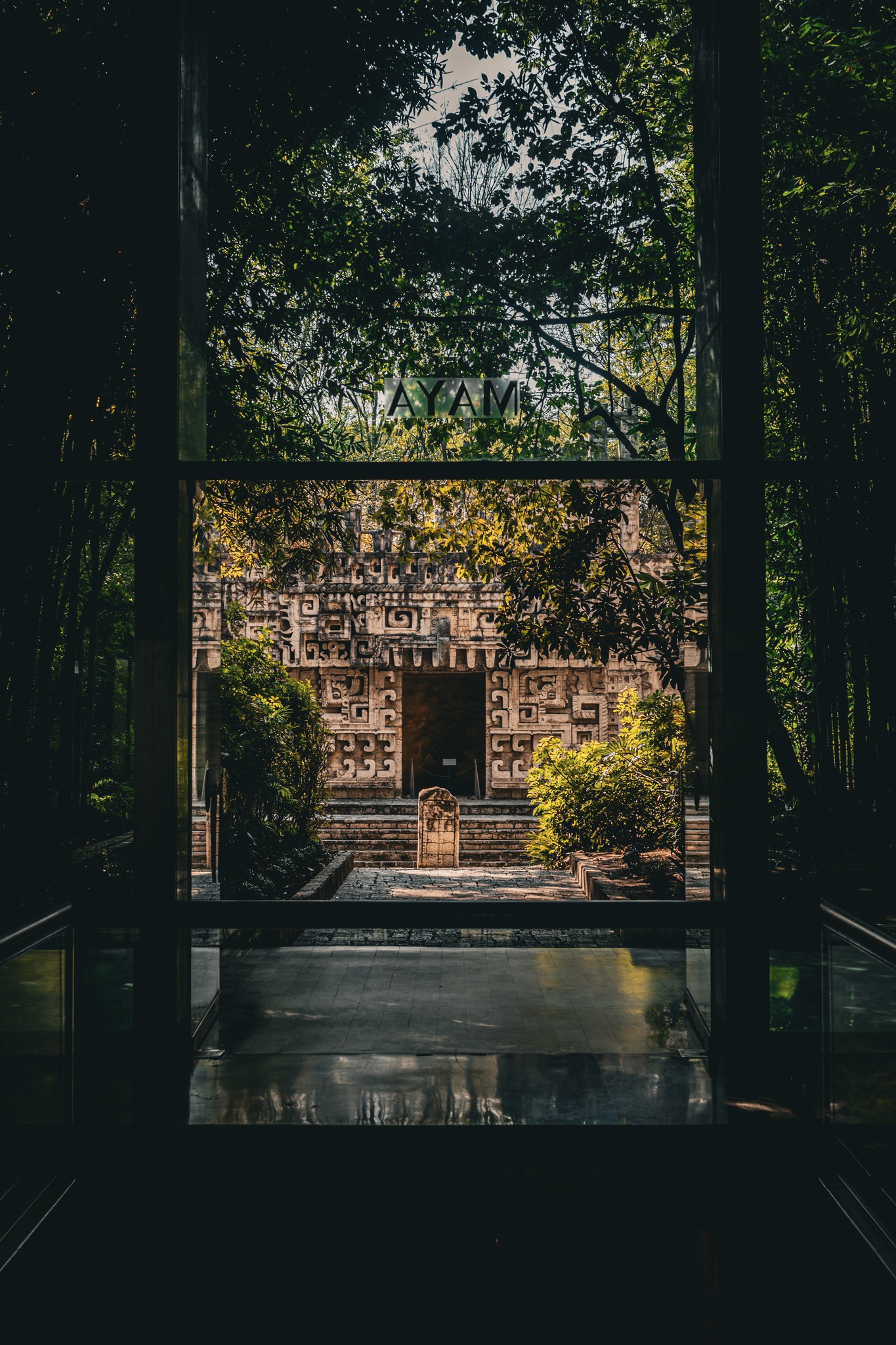
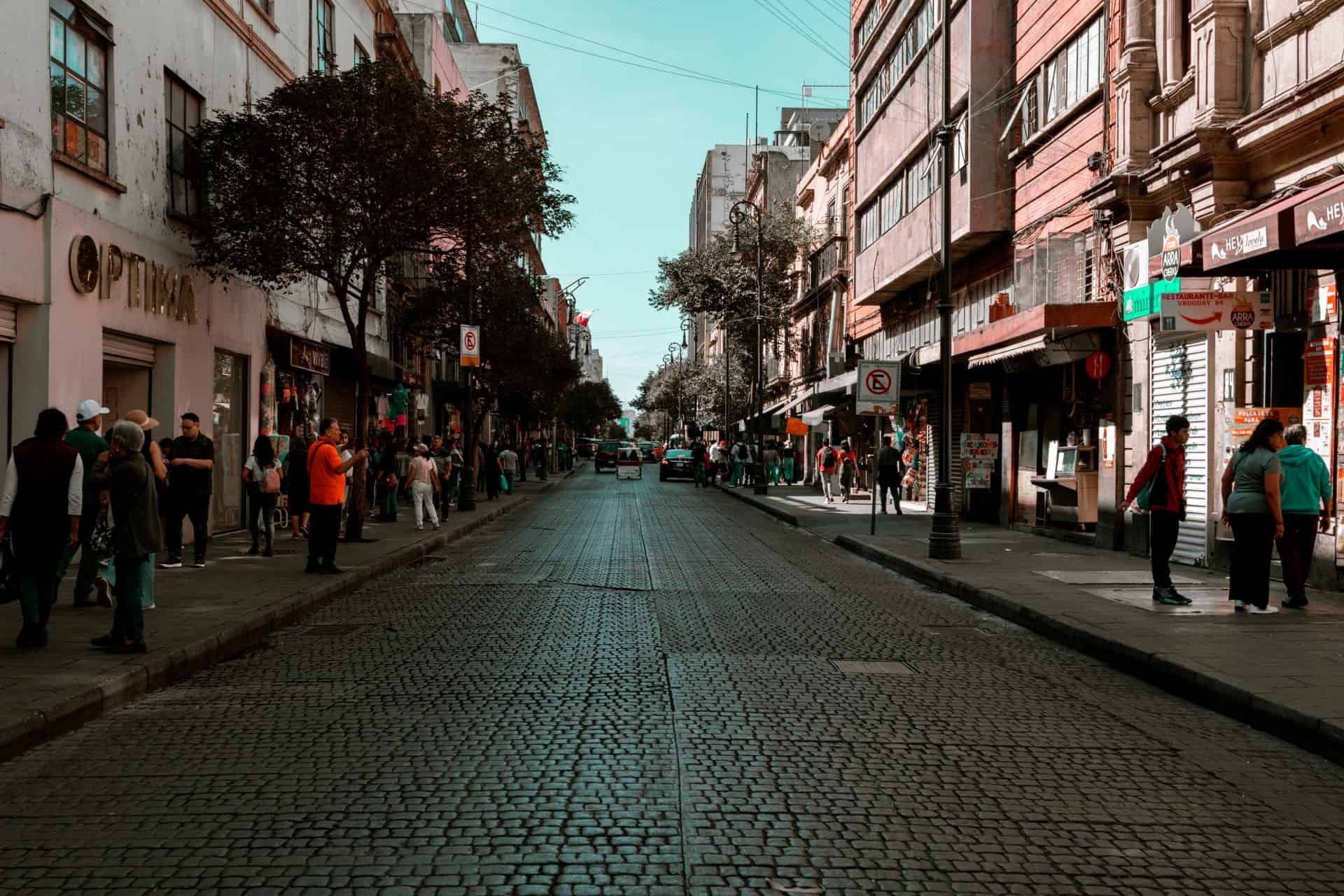
At the beginning I stayed in Centro Histórico, which—surprise, surprise—is the Historical Centre, the former capital of the Aztec Empire, colonial hub of ‘New Spain’ and the oldest part of México City. It’s also home to most of the city’s main hostels, where I started, and is a good starting point for typical tourist attractions such as the Zócalo, Palacio de Bellas Artes, MUNAS and more. But once you’ve had your fill of the sights, I strongly suggest moving on.
Centro Histórico is in the Cuauhtémoc borough, home to the majority of CDMX’s action. The borough boasts 1,500 national monuments, 150 libraries, 120 cinemas, over 40 museums and more than 30 public markets.
Yeah, it’s big.
Most tourists, expats and nomads gravitate to one of three colonias in Cuauhtémoc: Condesa, Roma Norte and Roma Sur.
Condesa is an upscale colonia with European‑style streets, sprawling parks and a vibrant café culture. Its crown jewel, in my humble opinion, is Parque México—great for running, walking and maybe even spotting local celebrity Porkney Spears (yes, I met a guy walking his house pig!).
Roma Norte and Roma Sur are home to creatives, young locals and travellers. Norte is more lively and commercial, whereas Sur is slightly quieter and more residential.
Honestly, I didn’t like this part of CDMX at all—ostentatious at best. The tipping point for me was when, at a coffee shop, four out of six tables were occupied by laptop warriors, one even on a full-blown conference call. While working from a café can be a nice change of scenery, there are unwritten rules: avoid small independent cafés and, if you need to have a call, do it at home or in a coworking space.
After a hectic week in Centro, I ended up settling in Benito Juárez, a quiet, residential borough further south. I specifically stayed in the colonia of Mixcoac, which I highly recommend for long-term stays. I loved every moment at Mixcoac Insurgentes.
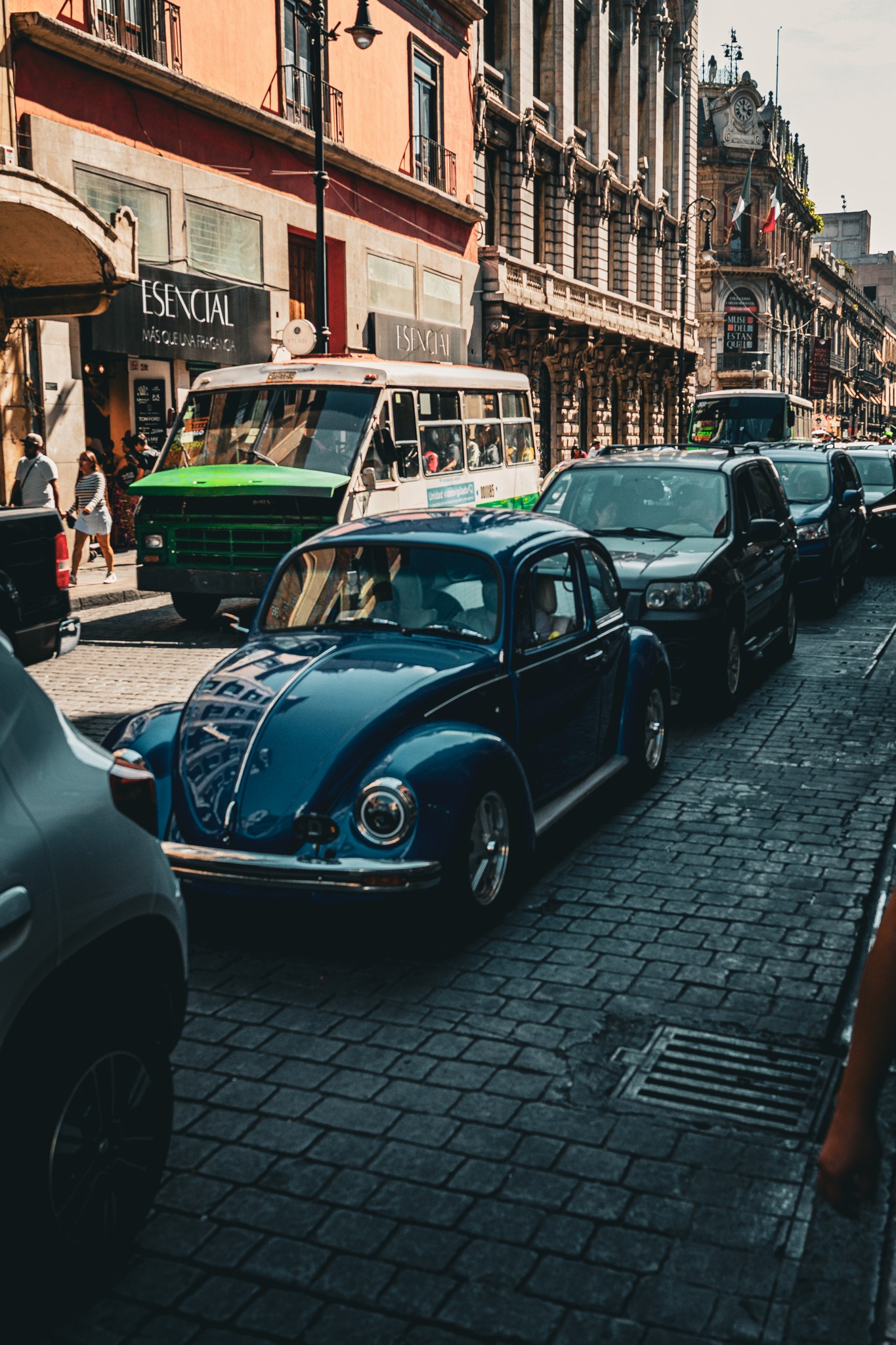
My suggestion for long-term CDMX living? Explore the affluent areas and soak up all the touristy stuff, then put down roots in Mixcoac—it’s safe and packed with bars, restaurants and shops. Just note that if you want to be where the action is, it’s a 30–45 minute drive back to the centre, and traffic in CDMX is horrendous.
Is Mexico City Dangerous?
I’ve spent a lot of time in Mexico since first visiting CDMX and I’ve covered a very large proportion of the country, that most digital nomads haven’t and there’s one thing that really stuck out for me on day 1 that still remains the same at day 100 in Mexico:
Don’t get me wrong, Mexico is not Switzerland and there are some seriously dangerous parts of the country, but CDMX? It’s no different to any other major capital city around the world and, to be honest, you’re more likely to get your phone swiped in London.
That said, Centro Histórico can be questionable at night and I wouldn’t recommend it, although during the day it’s relatively fine with a heavy police presence. Areas like Roma Norte, Roma Sur, Condesa and Palenco are among the safest due to affluence, private security and a strong police presence. Still, you’re more prone to petty theft and opportunistic crimes.
I will say this: Benito Juárez is one of the safest boroughs in CDMX, with great infrastructure and many family‑oriented, well‑maintained colonias.
The further off the beaten track you venture, the less safe it becomes. Use your street smarts; don’t be flashy and avoid being obnoxious.
I’ve heard conflicting reports on the metro, your experience may differ, but I’ve heard enough horror stories to feel comfortable sticking with above‑ground travel despite the horrendous traffic.
Is The Food In Mexico City Really Up To The Hype?
We’re in México City—what do you expect? There’s only one place in the world that can beat CDMX for fine dining, and that’s my personal favourite, Lima. But Mexican cuisine is on another level.
Eventually, once you settle into the Mexican way of life, you’ll find yourself sitting on a plastic picnic chair at a busy intersection, eating the messiest tacos with your hands, and your life will never be the same.
Honestly, I didn’t bother with the typical best restaurants—I’ve not travelled halfway across the globe to drop £200 on a meal surrounded by expats snapping photos for the ‘gram.
Instead, you need to discover the best street food spots that CDMX offers—there’s no single answer, as everyone’s preferences differ and the options are endless.
So I’ll focus on the types of food you need to try:
Tacos al Pastor: No trip to CDMX is complete without tacos. “Al pastor” is thinly sliced, marinated pork normally served with pineapple and coriander.
Chilaquiles: Fried tortilla crisps (or chips for the non‑British) covered in salsa and cheese.
Tlayudas: A large, crispy tortilla with toppings, often referred to as ‘Mexican pizza’.
Torta: México’s answer to a ciabatta or baguette—a big, thick, crispy bun stuffed with your choice of fillings.
Gordita: Literally meaning “little fatty,” it’s a round, fried bread that’s split open like a pita and stuffed with whatever you fancy.
And there’s more: tlacoyos, tamales, pozole, mole, elote, enchiladas, cemitas, quesadillas and beyond.
Note: I did this tour via Airbnb and it was a riot—definitely recommend it for taco fans.
What about drinks?
Agua fresca: “Fresh water” from street vendors offering various flavours, especially hibiscus.
Horchata: In México, it’s made from rice flour and has a watery consistency—sometimes with added condensed milk.
Café de Olla: A traditional Mexican coffee brewed with cinnamon and piloncillo (raw sugar), often spiced with cloves or star anise.
And alcohol? Expect Tequila, Mezcal and a venerable selection of beers.
Things To Do in Mexico City
Where do I even begin? Realistically, you need at least a month in CDMX (assuming a 30–40hr work week) to see all the best bits, but here’s a breakdown:
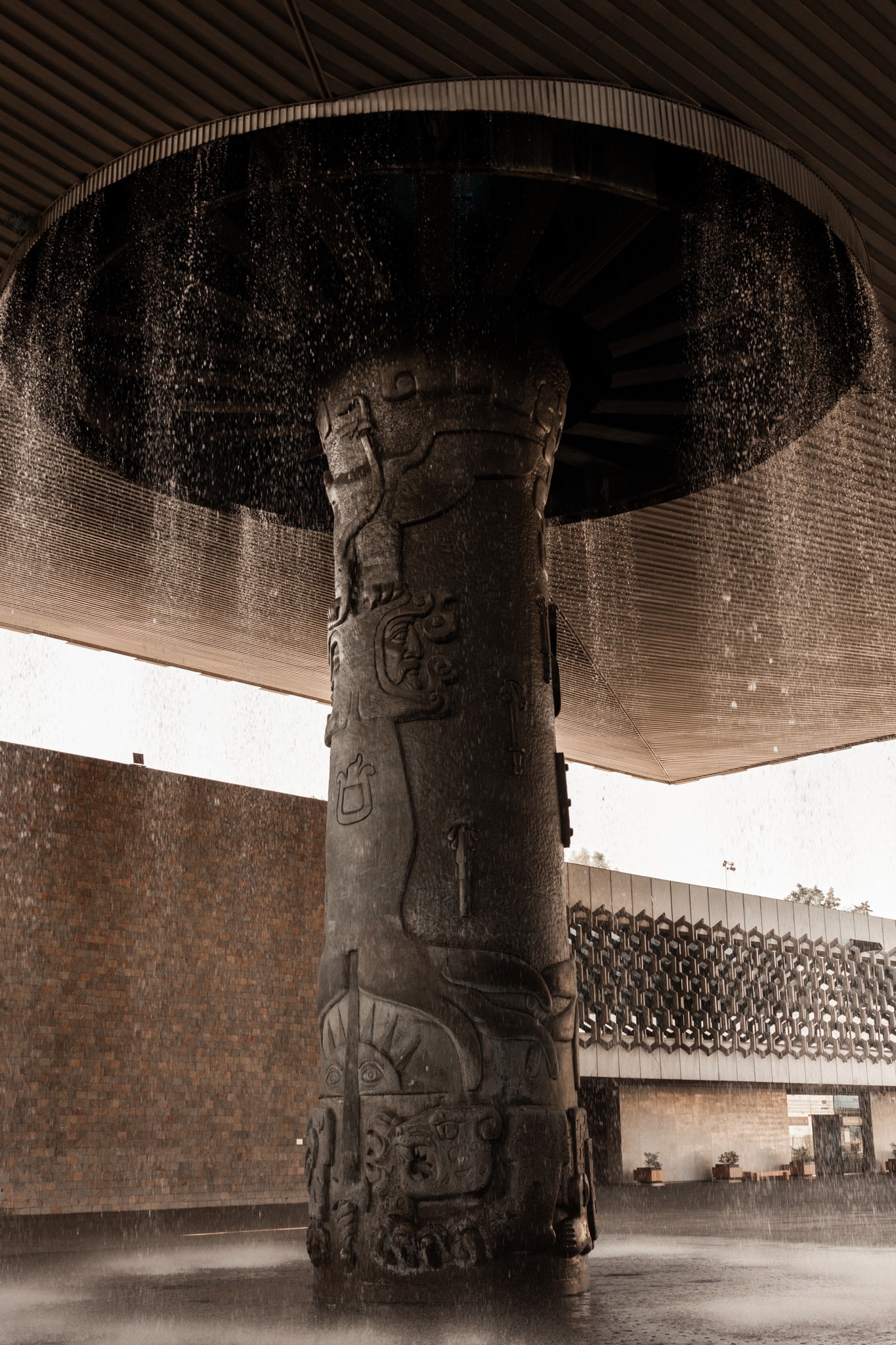
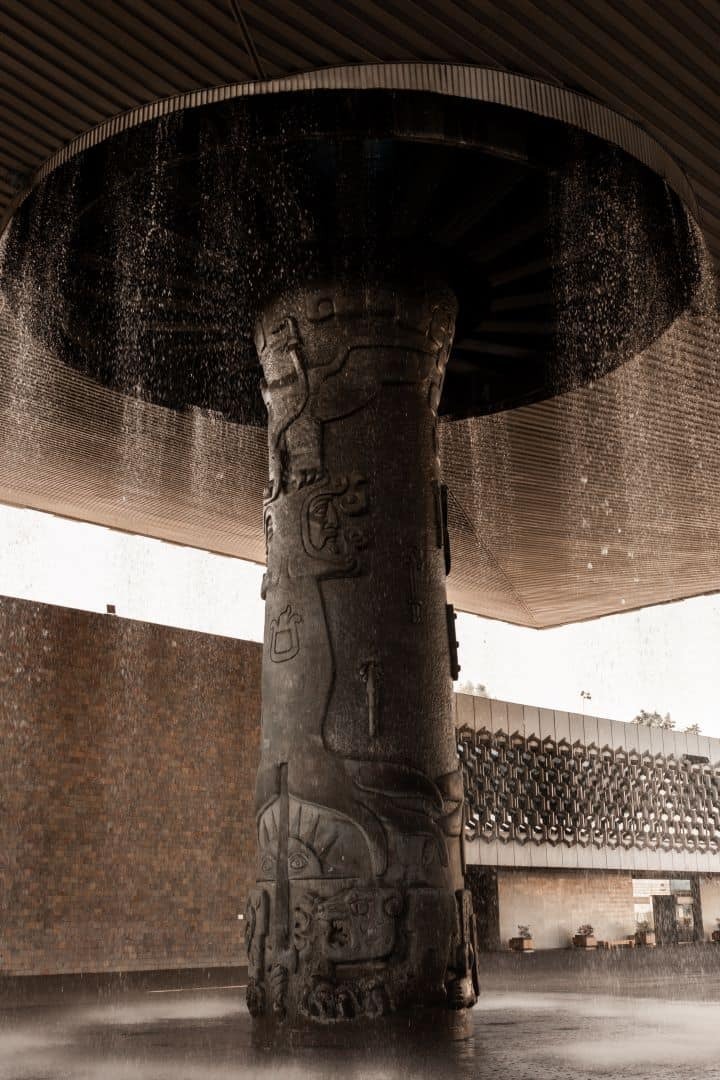
Museo Nacional de Antropología: The massive central fountain (if you can call it that) is worth it alone. Inside, you’ll find the famous Aztec sun stone (‘Piedra del Sol’), incredible murals and thousands of artefacts. It’s easily one of the most impressive museums I’ve ever seen.
Museo Frida Kahlo (Casa Azul): Home to one of modern history’s most celebrated artists. I didn’t make it here personally, but it comes highly recommended.
Palacio de Bellas Artes: A monumental palace designed by an Italian architect, packed with Mexican murals. Entry is only about £3–£4 and it’s a great way to spend a few hours.
Xochimilco: An absolute must‑see in CDMX. Get on board a trajinera, grab a spicy Marg, and enjoy a glimpse of the historic Aztec capital, Tenochtitlán. Book a tour.
Parque México: One of CDMX’s hundreds of parks; an upscale area with daily dance classes and plenty of space to walk or run.
Coyoacán: The unofficial bohemian capital of CDMX, packed with UNESCO sites, museums, green spaces and endless markets and street vendors. Spend a day or two exploring.
Looking for more recommended spots? Check out my CDMX Google Map, here.
When to Visit Mexico City
I’d definitely recommend November, purely to see the Día de los Muertos celebrations (though Oaxaca is miles better for Dia de los Muertos). Note that prices double or triple in many places. Alternatively, if you’re a bargain hunter, consider the second week of November—when everything has died down, it’s much cheaper and availability is high. As always, do your own research.
| Month | Average High 🌡️ | Average Low 🌡️ | Weather 🌦️ |
|---|---|---|---|
| January | 22°C (72°F) | 6°C (43°F) | 🌤️ Cool & Dry |
| February | 24°C (75°F) | 7°C (45°F) | 🌤️ Mild & Dry |
| March | 26°C (79°F) | 9°C (48°F) | ☀️ Warm & Dry |
| April | 27°C (81°F) | 11°C (52°F) | ☀️ Hottest Month |
| May | 26°C (79°F) | 12°C (54°F) | 🌦️ Start of Rainy Season |
| June | 24°C (75°F) | 12°C (54°F) | ⛈️ Heavy Rain |
| July | 23°C (73°F) | 11°C (52°F) | 🌧️ Rainy & Cloudy |
| August | 23°C (73°F) | 11°C (52°F) | 🌧️ Rainy & Humid |
| September | 22°C (72°F) | 11°C (52°F) | ⛈️ Peak Rainy Season |
| October | 22°C (72°F) | 10°C (50°F) | 🌦️ Rainy but Cooling Down |
| November | 22°C (72°F) | 8°C (46°F) | ⛅ Dry & Cool |
| December | 21°C (70°F) | 6°C (43°F) | 🌤️ Best Time to Visit |
🏃♂️ Staying active
CDMX is home to dozens of public parks, all fantastic for running—just note the altitude is just over 2,200m, so allow time to adjust and don’t expect record-breaking 5K times.
On Sundays, the city runs “Paseo Dominical,” closing 55km of roads to traffic during the first three Sundays of each month from 8am until 2pm. You’ll see countless people taking to the streets on foot, on bicycles, and even on skates.
Positives
- Paseo Dominical road closures
- The incredible food
- An enormous array of activities
- A wealth of history and museums
- Truly something for everyone
Negatives
- The traffic is horrendous—often quicker to walk
- Much of CDMX is over‑gentrified
- American tipping culture is rampant
- One of LATAM’s most expensive cities
Top Tips
- Get yourself a physical local SIM from Telcel. eSIMs for México are expensive
- Sign up for a free trial of UberOne to save on trips and food—just remember to cancel before the trial ends
- Change your iOS region to México and download DiDi, a great and cheap alternative to Uber