Quick Facts about Oaxaca for Digital Nomads
Jump to report ⤵| Trip Date | November 2024 | Upscale Hostel | £100-£400/wk |
| Country | México | Cafe Latte | £1.50 – £2.50 |
| Currency | MXN | Tacos Al Pastor | £0.50 each |
| Primary Language | Spanish | eSIM | eSIMGo North America 10GB – £15 |
| Population | 715,000 | Coworking | Centrico from £7/day |
| Airline & Closest Airport | Various (OAX) | Private Hire | £7/day |
| Average Download Speed | 67mbps | Ride-share | Uber/Didi unresponsive |
| Plug Type | Type A / B (USA/Mex) | Tipping | Very common, 10+% |
 Introduction
Welcome to the Capital of Mezcal
You’re going to like this city, trust me. You can get to Oaxaca from CDMX via a quick flight in just over an hour or, if you prefer the scenic route, you can take a bus via ADO in around 7–8 hours. If you have hold luggage, it’s cheaper to take a bus at anywhere between £25 and £40 and you can get one-way flights (without bags) as low as £20 in the low season, but more often than not you’re looking at £100+. As always, do your research; Google Flights for your flights and ADO if you wanna travel by bus. I took the bus from Estación Norte in México City and it cost about £35–40 for their premium bus “ADO gl”. There are various bus options but primarily ADO offers three tiers; ADO or OCC is their everyday economy class bus, then you get “ADO gl” which is basically business class and then “ADO Platino” is their first class offering.
The drive itself is fantastic and for somebody that utterly despises airports, this is a perfect option for me.
Once you arrive to the main station in Oaxaca, you’ll need to flag down a taxi to take you to Centro (assuming that’s where you’re staying); expect to pay up to around $100 pesos (<£4) with the gringo tax included. If you’re an artful dodger, you might get it down to $60 (£2.50), but certainly don’t pay over $100.
Table of Contents
- Quick Facts about Oaxaca for Digital Nomads
- Introduction
- Where to work
- Does Mexico Have a Digital Nomad Visa?
- Best Neighbourhoods in Oaxaca
- Is Oaxaca Safe for Digital Nomads?
- Best Food and Drink in Oaxaca?
- Things to See in Oaxaca
- Best Time to Visit Oaxaca
- My Favourite Place in Oaxaca
- How to Stay Active in Oaxaca
- Positives
- Negatives
- Top Tips
Where to work
Oaxaca isn’t quite at the stage of being completely overrun with nomads and expats just yet, so I didn’t feel too self-conscious parking up in a café, but I still always followed the golden rule of spending a worthwhile amount of money and not overstaying my welcome.
Initially I was based in the Centro Histórico and stayed at Casa Angel—a really nice hostel and rated Central America’s best hostel in 2024. There’s plenty of space to park up with a laptop and get some work done, but just note that the wi‑fi is so unreliable. It’s fine for browsing but any calls or streaming is a moon‑shot. I commandeered a desk which had a repeater with ethernet connection, which may have solved the problem but I didn’t have an ethernet cable with me at the time.
There are quite a few options for co‑working, obviously nothing compared to CDMX, but there is a Selina, Co 404 (residents only) and my personal recommendation is Centrico. Centrico has two locations, one in the historical centre and one in Jalatlaco—only about a 10‑minute walk between the two. A friend used Centro but the wi‑fi was playing up, assuming just an off day, whereas I used Jalatlaco. The latter is where I parked up and I’d highly recommend it; you can just turn up and crack on for £7 a day with free coffee. Alternatively there is a weekly pass for about £20 and a monthly pass for a very reasonable £95. You can even get a two-person private “cabin” for £135 a month, which is an absolute steal, in my opinion.
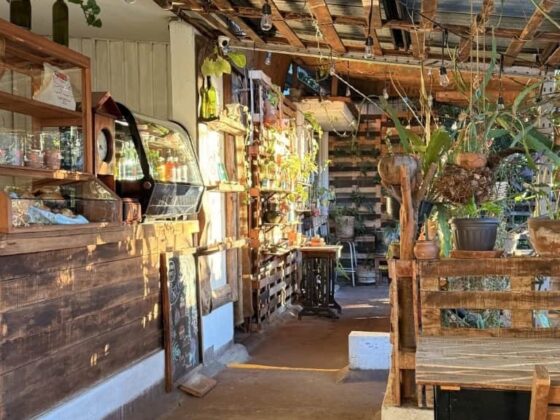
A little shout out to La Proveedora Reforma which is a huge bookstore—the second floor of which has a café and co‑working area with great views across the main avenue.
Does Mexico Have a Digital Nomad Visa?
Best Neighbourhoods in Oaxaca
So, to keep things relatively simple to follow, this is a report about Oaxaca City, within the wider state of Oaxaca.
Within Oaxaca City, the main barrios that you need to know are: Centro, Reforma, Jalatlaco, Xochimilco and Volcanes.
Centro is where all of the action is and is home to iconic sites such as the Zócalo and Santo Domingo Church. You’ll find the vast majority of hostels, Airbnbs and co‑working spots here. It’s relatively safe but, as always, I would advise caution at night and take a taxi wherever possible. If, like me, the touristy hotspots wear you down after some time, I highly recommend exploring some of the other barrios.
Xochimilco is a short walk from Centro and its focal point is Calle José López Alavez, which runs through the middle of the barrio and features an endless amount of street art. There are a few great cafés in this area, and you can check out some of my recommended spots for Oaxaca in my map, here: https://maps.app.goo.gl/7KVCHHiihUnj7jZN9. Xochimilco is one of the smaller barrios, home to lots of cafés and quirky little Airbnbs—it’s a great place to base yourself if you appreciate art and you’re all about the coffee shop and bakery life. Work-wise, your options are limited and I would say you’ll be best served from a well‑equipped Airbnb. That said, Centro is a very brief walk.
Next up is Jalatlaco—and where I based myself for working (see “Centrico” above)—it’s a beautifully, brightly coloured neighbourhood, packed full of cafés, bakeries and Instagrammable spots, plus it’s a 5–10 minute walk to Centro if needed. I would say it’s my favourite part of Oaxaca.
Reforma, about a 30–40 minute walk north of Centro, is where I stayed for the second half of my trip. Reforma is the more modern district of Oaxaca, home to local restaurants, boutique stores and better suited for long‑term living. I really rated Reforma and if you’re doing a long‑term stint in Oaxaca and just want to live somewhere authentic without all the touristy fanfare, this is where you’ll want to be.
Last but not least is Volcanes; whilst I don’t have any first‑hand experience, it’s been recommended if you’re looking for a quiet, work‑from‑home kind of vibe and are on a budget.
Is Oaxaca Safe for Digital Nomads?
Oaxaca, generally, has a reputation for being safe, but always take precautions at night. There are ride‑sharing options like DiDi and Uber but I never managed to secure a reservation with either, so you’re best to flag a taxi down. Just remember to always ask the price in advance, “cuánto cuesta”.
I was advised not to walk around Centro at night, so do bear that in mind.
I will caveat that, as a foreigner, everywhere is dangerous. You’re green to an area, you don’t have your wits about you and you’re ripe for the picking. Just because I had a safe experience doesn’t mean somewhere is safe and just because somebody had a dangerous experience doesn’t mean a place is dangerous either. But, generally speaking, Oaxaca City is pretty safe.
Best Food and Drink in Oaxaca?
As always, it’s México, right? You’re in for a treat. There are a number of highly commended restaurants in Oaxaca, and if you’re planning on a trip, I would book some tables in advance at the following (some will require weeks or even months of notice):
- Asador Bacanora
- Los Danzantes
- Las Quince Letras
- Casa Oaxaca (Centro)
There’s also a very highly‑rated cocktail bar called Selva which I would strongly recommend visiting.
As for cuisine, Oaxaca has its own unique offerings in addition to your typical Mexican fare—Oaxaca cheese, mezcal, a number of mole varieties and all of your usual Mexican dishes such as tacos, tortas, gorditas, tlayudas, tlacoyos, tamales, pozole, elote, enchiladas, cemitas, quesadillas and far more.
Have a look at a food tour if you want to get a quick insight into everything that Oaxaca has to offer.
Things to See in Oaxaca
Oaxaca is a great place to explore with plentiful museums, restaurants and architecture to keep you busy for weeks.
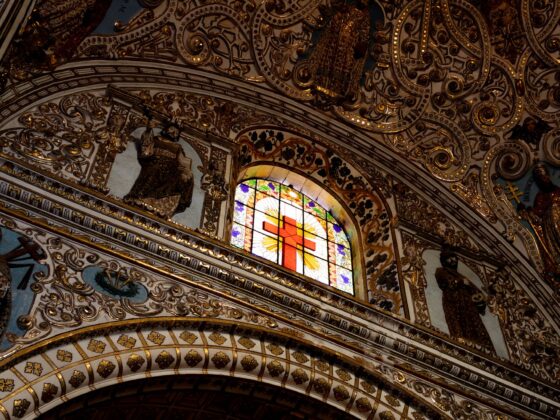
Templo de Santo Domingo: A massive historic complex with a church featuring a gilded interior and an attached museum that used to be a monastery. Free entry.
Mercado Benito Juarez and Mercado 20 de Noviembre: Two traditional markets in Centro that are right next to each other. The former is a craft market with some food options and the latter is entirely a food market offering a great selection of edible Mexican, and more specifically Oaxacan, delights.
Jardín Etnobotánico de Oaxaca: An incredible garden in the city centre with an abundance of local plant life. Entry is less than £2 and well worth a visit.
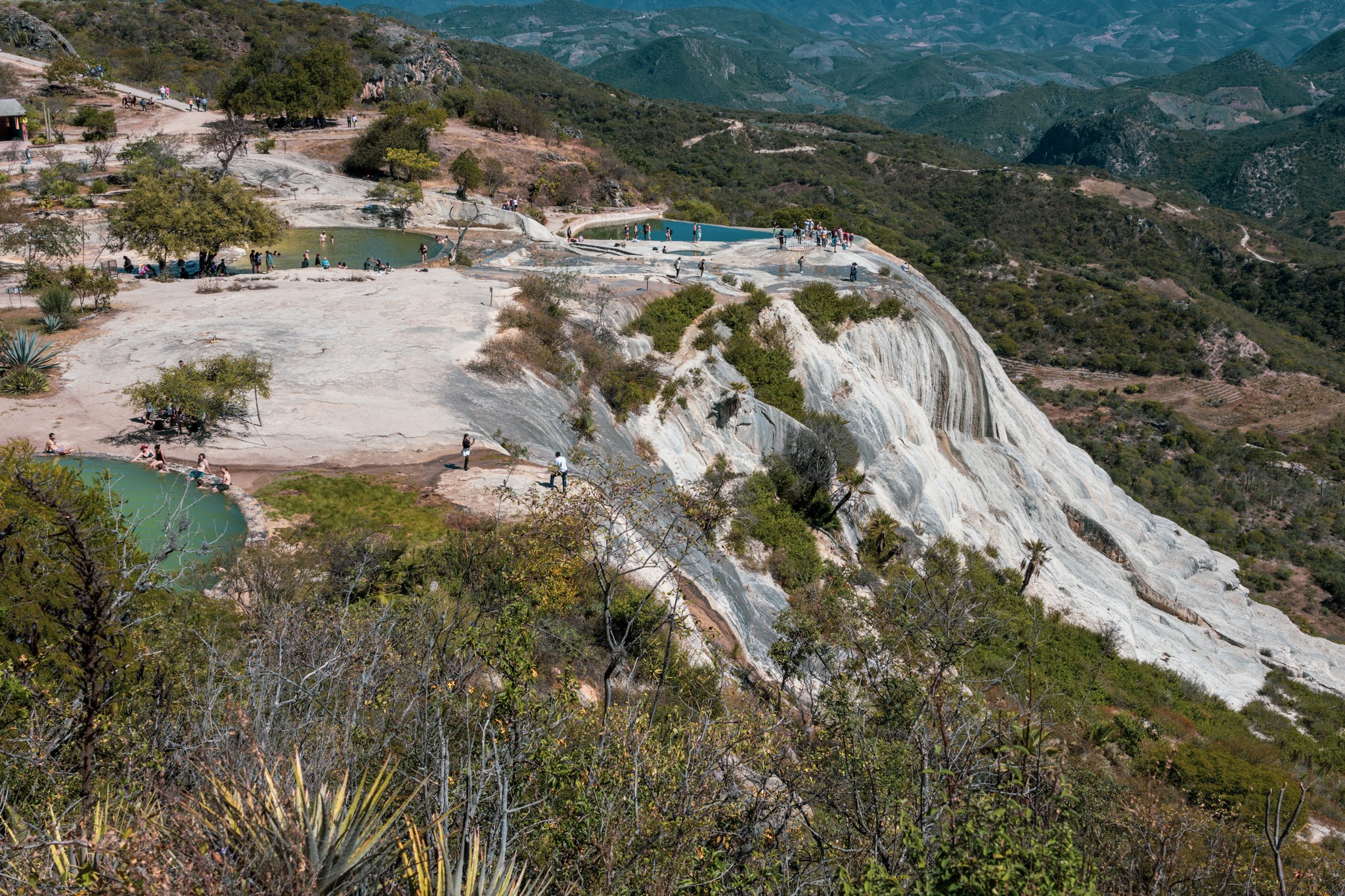
Hierve el Agua: Home to an incredible petrified waterfall, some great hiking options and natural pools/springs. The name translates to “boiling water” due to the chemical reaction that causes the water to bubble, giving the illusion of boiling. Try and go early in the morning if you can, as it’s susceptible to over‑tourism.
Monte Albán: Dubbed the cradle of Zapotec civilisation, it’s about a 30‑minute drive from Centro. Unless you want all of the juicy history details, I wouldn’t bother booking a tour—get yourself there early and marvel at the ancient architecture. Entry is $95, which is just under £4.
Arbol del Tule: The world’s widest tree at 14 metres across is a sight to behold. Entry is about £1 and it’s only a 10–15 minute drive from central Oaxaca.
Looking for more recommended spots? Check out my Oaxaca Google Map, here.
Best Time to Visit Oaxaca
I’d definitely recommend November and flying in October before prices jump up, then soaking up the festivities of Día de los Muertos. Or, if you’re a bargain hunter, the second week of November just after the peak—when everything has died down, it’s a lot cheaper and there’s loads of availability. Just note that it is Autumn/Winter and it gets mighty cold in the mornings and evenings at this time, though most days remain a balmy 25°C. There are pros and cons to going at various times throughout the year, so as always, do your own research.
My Favourite Place in Oaxaca
Hard to say. I’m always happy in a café and there were so many options, all within close proximity to each other, but I’d probably say Café “El Empedrado” in Xochimilco—with its great rooftop terrace and a bangin’ Croque Madame.
How to Stay Active in Oaxaca
Oaxaca Centro is not really a good place to run—pavements are narrow and uneven, and traffic is chaotic. You’ll need to head out of town; some recommendations are as follows:
Bosque El Tequio: This is a massive ~60‑hectare park near the airport, with lots of space to run.
Arbol del Tule: As mentioned above, there’s a main road leading here called Avenida Ferrocarril, which is reportedly lined by a cycle path. So if you wanted a nice out‑and‑back road run of about 10K each way, this could be the one for you.
There are plenty of hiking and trail options outside of the city too; I recommend downloading the AllTrails app for Android or iOS.
Positives
- Friendly and safe city
- Lots of high‑end bars and restaurants
- An accessible and quiet alternative to CDMX
- Plenty of alternative towns to escape to within the state
Negatives
- Centro will get annoying long‑term, very touristy
- Traffic is congested around Centro, better than CDMX but still annoying
- Options for walking and cycling around the centre are limited
- Drivers on Uber and DiDi don’t respond to pick‑up requests
Top Tips
- Get yourself a physical local SIM from Telcel. eSIMs for México are expensive
- Explore long‑term living options outside of Centro for something a bit more liveable and relaxed
- Find a decent co‑working spot like Centrico or Co404 as examples